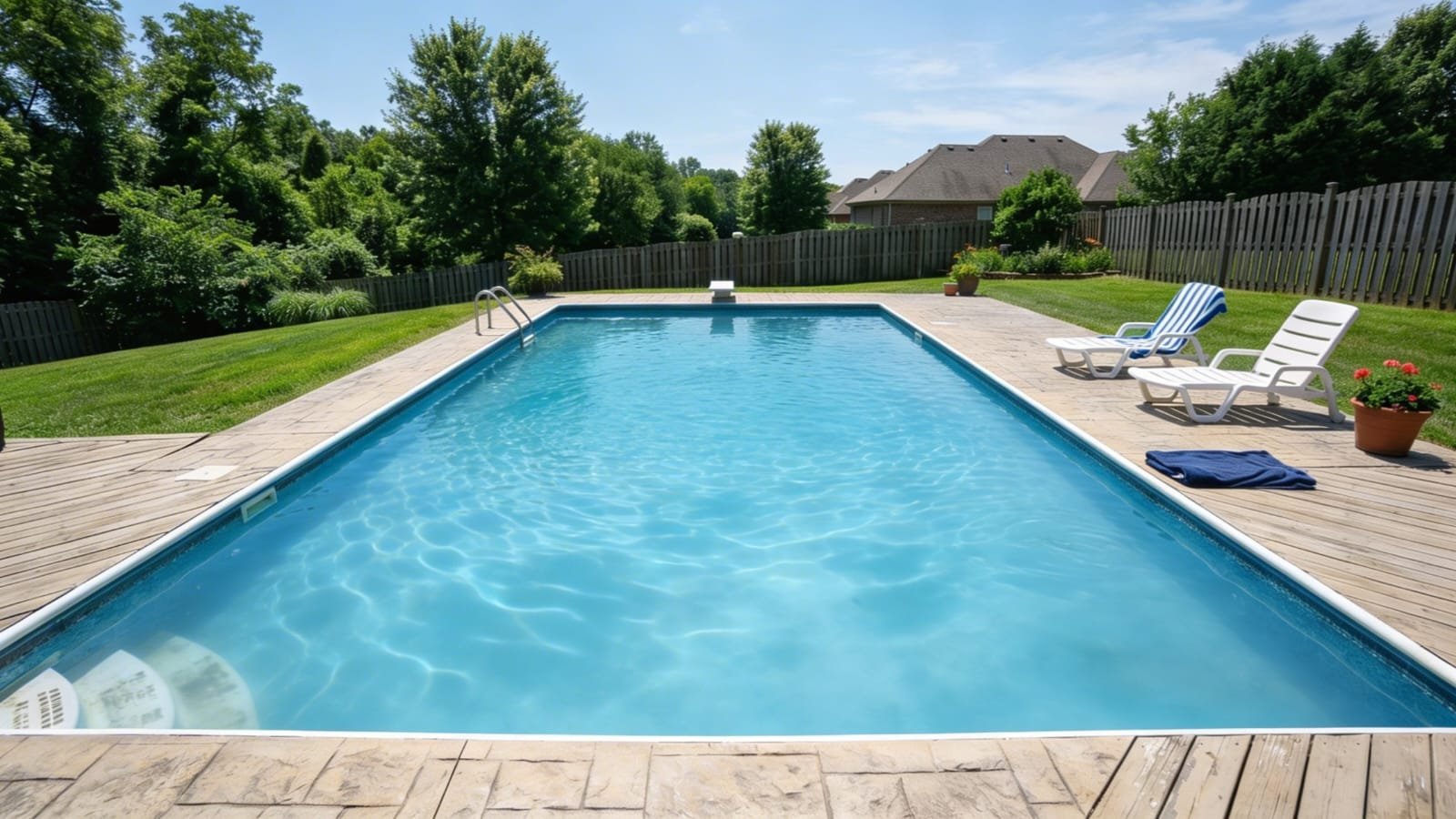
All-in-One Robotic Pool Cleaner: Waterline Tile Maintenance
Every pool owner loves the pristine, reflective look of a freshly filled backyard oasis. However, within just a few weeks of active summer use, a distinct and highly unsightly ring inevitably appears perfectly level with the water’s surface. This is the notorious waterline scum ring, and it is arguably the most frustrating aesthetic challenge of pool ownership. Maintaining the floor of your pool is largely a battle against gravity, extracting heavy debris that has already sunk. Maintaining the ceramic tiles at the water’s edge, however, is a battle against chemistry, sticky organic compounds, and the baking heat of the afternoon sun. Relying on manual labor to scrub this perimeter requires hanging over the coping on your hands and knees with a harsh pumice stone and a bottle of chemical tile cleaner. To eliminate this grueling chore, you must upgrade to automated hardware capable of defying gravity and aggressively scrubbing the vertical surfaces of your pool.
The Biology and Chemistry of the Scum Line
To understand why the waterline requires such specialized hardware, you must first understand exactly what you are fighting. The scum line is not made of standard dirt or heavy yard debris. It is an incredibly stubborn mixture of environmental and biological contaminants that share a common physical trait: they are lighter than water.
When your family and friends swim, their bodies naturally shed microscopic layers of dead skin, sweat, natural body oils, and heavy applications of waterproof sunscreen. Because oil is less dense than water, these contaminants float directly to the surface. As the wind blows across your backyard, it pushes this oily film toward the outer perimeter of the pool, where it clings tenaciously to the ceramic tiles, the fiberglass shell, or the vinyl liner.
Simultaneously, environmental dust, fine spring pollen, and airborne soot settle on the water and get trapped in this sticky organic oil slick. When the intense summer sun hits these tiles, it bakes the mixture of oil, dust, and sunscreen into a hard, crusty residue. If left unmanaged for even a week, this baked-on organic film becomes a breeding ground for thick, black algae that roots itself deep into the porous grout lines between your tiles.
The Fluid Dynamics of Vertical Climbing
To physically remove this baked-on ring without manual labor, you need an all-in-one robotic pool cleaner engineered specifically for vertical navigation. Watching a twenty-pound piece of plastic and metal drive straight up a sheer, slippery vertical wall seems to defy the laws of physics. However, it is actually a brilliant application of fluid dynamics and reverse thrust.
When the machine approaches the wall, it tilts upward, and the internal motor kicks into a high-gear setting. The impeller, located at the top of the chassis, aggressively pulls water in through the bottom intake ports and shoots it violently out of the top exhaust vent. This massive jet of exiting water acts exactly like a thruster on a rocket ship, but in reverse. It creates immense downforce, physically pushing the machine’s rubber tracks hard against the vertical plaster.
This hydraulic downforce allows the tracks to grip the wall securely. As the machine climbs, it eventually breaks the surface of the water. Specialized sensors detect the change in air pressure and water resistance, signaling the onboard computer that it has reached the tile line. The machine then shifts its drive tracks, moving horizontally along the perimeter while its active, motorized brushes vigorously scrub the sticky sunscreen and pollen directly off the tiles.
Diagnosing Wall-Climbing Failures
Because vertical climbing relies on a very delicate balance of hydraulic thrust, mechanical grip, and sensor feedback, it is often the first feature to fail when your pool conditions are not absolutely perfect. If you notice your automated equipment struggling to reach the tiles, or sliding back down into the deep end, you must physically diagnose the friction point.
| Mechanical Symptom | Primary Environmental Cause | The Practical Solution |
| Machine climbs halfway, then slowly slides backward down the wall. | Invisible algae blooms. A microscopic layer of organic biofilm makes the vertical plaster as slippery as black ice. | The hardware cannot grip slime. You must physically shock the water with liquid chlorine and brush the walls manually to kill the biofilm. |
| Machine rears up at the floor seam but refuses to climb the wall. | Hydraulic starvation. The internal filter basket is entirely blinded by fine dust, preventing water from escaping the top exhaust. | Without exiting water, there is no thrust to push the machine against the wall. Remove and thoroughly spray out the internal filter mesh. |
| Machine climbs to the waterline, but immediately sucks air and falls. | Improper water level. The water is sitting too low beneath the skimmer line, exposing the curved coping stone. | The machine needs a flat vertical surface to scrub. Add fresh water with a garden hose until the waterline perfectly bisects the middle of the perimeter tiles. |
| Tracks spin rapidly, but the machine moves up the wall at a crawl. | Worn out rubber treads or degraded PVA foam brushes that have lost their factory elasticity and grip. | Hardware is a consumable. Inspect the rubber tracks for bald spots and replace the tracks and scrubbing brushes if they are stiff or worn completely smooth. |
Establishing a Waterline Maintenance Routine
Even the most advanced extraction hardware requires the homeowner to properly stage the environment. If you want the machine to successfully obliterate the scum line every single week, you must establish a strict pre-deployment routine. You cannot simply throw the unit into a chemically imbalanced pool and expect flawless vertical performance.
- Perform a baseline manual scrub: If you are deploying the machine for the very first time in a heavily neglected pool, you must break the hardest outer shell of the baked-on calcium and oil line manually. Use a stiff nylon brush and a specialized enzyme cleaner to break the hardest bonds. Once this baseline is established, the machine will easily maintain it moving forward.
- Balance the pH and Alkalinity: If your water is highly alkaline, calcium will precipitate out and coat the tiles, creating a rough, sharp surface that shreds the rubber brushes of your machine. Keep your pH strictly between 7.4 and 7.6 to prevent destructive mineral scaling on the vertical walls.
- Empty the basket before wall mode: Vertical navigation consumes significantly more battery power and requires maximum suction thrust. Never command the machine to perform a waterline-only cleaning cycle if the internal basket is already half-full of heavy oak leaves or saturated sand from the floor.
- Manage floating obstacles: When the machine is tracking horizontally across the waterline, it is highly vulnerable to floating obstacles. Remove all floating chlorine dispensers, thermometer strings, and inflatable pool toys before running the cycle, as these will easily tangle in the exposed top exhaust port.
The true luxury of backyard automation is completely removing yourself from the hardest physical labor. By understanding the chemical makeup of the scum ring, respecting the hydraulic requirements for vertical thrust, and properly preparing your water chemistry, you allow your equipment to perform at its absolute peak. The result is an immaculate, mirror-like tile line that remains completely free of dark stains, baked-on oils, and slippery algae, all without you ever having to pick up a pumice stone again.