The Art of Creating Memorable Custom Sticker Designs
In today’s visually driven world, design plays a powerful role in how people perceive brands, products, and creative work. Among all design tools available, stickers have become one of the most expressive and versatile formats for storytelling and branding. A well-designed sticker can capture attention instantly, communicate identity, and leave a lasting impression.
But what makes a sticker truly memorable? It is not just color or shape—it is a combination of creativity, clarity, emotional connection, and strategic design thinking. In this guide, we explore the art of creating memorable sticker designs and how businesses and artists can use Custom Stickers to build stronger visual identities.
Why Sticker Design Matters More Than Ever
Stickers are no longer just decorative items. They are now powerful branding tools used by businesses, artists, and marketers worldwide. From packaging to promotions, custom stickers act as miniature brand ambassadors.
A strong sticker design can:
-
Increase brand recognition
-
Enhance packaging appeal
-
Drive social media engagement
-
Build emotional connections
-
Improve product value perception
Because stickers are often small, every design element must be intentional and impactful.
The Foundation of Memorable Sticker Design
Before diving into creativity, it’s important to understand the core principles that make sticker designs effective.
1. Simplicity Wins
Simple designs are easier to recognize and remember. Overly complex visuals can confuse the viewer, especially when stickers are viewed at a small size.
2. Strong Visual Hierarchy
Your design should guide the viewer’s eye naturally. The most important element—such as a logo or illustration—should stand out immediately.
3. Brand Consistency
A sticker should reflect your overall brand identity. Consistent colors, typography, and style help reinforce recognition.
4. Emotional Appeal
Memorable designs often trigger emotions—joy, curiosity, nostalgia, or excitement. Emotional connection is key to long-term brand recall.
Choosing the Right Concept for Your Sticker
Every great sticker starts with a concept. This concept defines the story your design will tell.
Popular concept ideas include:
-
Mascot-based branding characters
-
Minimalist logo designs
-
Artistic illustrations
-
Motivational quotes
-
Abstract patterns
-
Pop culture-inspired visuals
When creating Custom Stickers, the concept should align with your brand personality and target audience.
For example:
-
A playful brand may use colorful cartoon illustrations
-
A luxury brand may focus on minimal, elegant typography
-
A tech brand may use futuristic or geometric designs
Color Psychology in Sticker Design
Color is one of the most powerful tools in design. It influences emotions, attention, and perception.
Common color associations:
-
Red: Energy, urgency, passion
-
Blue: Trust, professionalism, calm
-
Yellow: Happiness, optimism, creativity
-
Black: Luxury, elegance, authority
-
Green: Nature, growth, sustainability
A well-chosen color palette can make your sticker instantly recognizable and emotionally engaging.
It’s important to use colors that align with your brand identity while maintaining contrast and readability.
Typography: Making Words Count
If your sticker includes text, typography becomes a critical design element. The wrong font can ruin an otherwise great design.
Best practices for typography:
-
Use bold, readable fonts
-
Avoid overly decorative styles for small text
-
Maintain proper spacing and alignment
-
Limit yourself to one or two font styles
Typography should enhance the message, not distract from it. In sticker design, clarity is always more important than decoration.
Shape and Composition: Thinking Beyond the Rectangle
One of the most exciting aspects of sticker design is freedom of shape. Unlike traditional print media, stickers can take almost any form.
Common sticker shapes:
-
Circle: Friendly and simple
-
Square: Structured and balanced
-
Die-cut: Custom shape matching the design
-
Irregular shapes: Creative and attention-grabbing
Die-cut stickers, in particular, are extremely popular because they allow designs to follow exact outlines, making them more dynamic and visually appealing.
Good composition ensures that all elements fit naturally within the shape without feeling cramped or unbalanced.
Creating Visual Impact with Contrast and Detail
A memorable sticker needs visual impact. Contrast helps your design stand out, while controlled detail keeps it readable.
Ways to enhance impact:
-
Use light and dark contrasts effectively
-
Highlight key elements with bold colors
-
Avoid cluttered backgrounds
-
Focus on a central focal point
Too much detail can overwhelm small sticker sizes, so balance is essential.
The goal is to make your design recognizable even from a distance.
The Role of Storytelling in Sticker Design
Great designs tell stories. A sticker is not just an image—it is a message, personality, or emotion compressed into a small space.
Storytelling can be achieved through:
-
Characters with expressions or moods
-
Symbols that represent brand values
-
Visual metaphors
-
Sequential sticker series
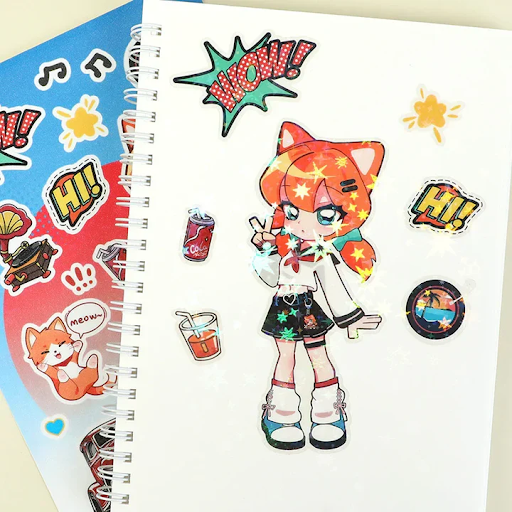
For example, a set of stickers showing different emotions can create a relatable narrative that connects with customers.
When people relate to a design emotionally, they are more likely to remember and share it.
Material and Finish: Enhancing the Design Experience
Even the best design can lose its impact if printed poorly. Material and finish play a big role in how the final sticker feels and looks.
Popular finishes include:
-
Matte: Soft, elegant, and modern
-
Glossy: Bright and vibrant
-
Holographic: Reflective and eye-catching
-
Vinyl: Durable and weather-resistant
Choosing the right finish enhances the emotional and visual impact of your design. For example, holographic finishes work well for bold, artistic designs, while matte finishes suit minimalist branding.
Avoiding Common Sticker Design Mistakes
Even experienced designers make mistakes when creating stickers. Here are some to avoid:
Overcrowding the design
Too many elements reduce clarity and impact.
Poor color contrast
Low contrast makes designs hard to read.
Ignoring scalability
Designs must remain clear at small sizes.
Weak branding integration
Stickers should always reflect the brand identity.
Avoiding these mistakes ensures your Custom Stickers maintain professional quality and effectiveness.
How Memorable Stickers Strengthen Branding
A well-designed sticker does more than look good—it builds recognition and trust. When customers see your stickers repeatedly on products, packaging, or personal items, your brand becomes familiar and memorable.
Over time, this leads to:
-
Stronger brand recall
-
Increased customer loyalty
-
Organic word-of-mouth marketing
-
Higher engagement across platforms
Stickers act as small but powerful brand ambassadors in everyday life.
Final Thoughts
Creating memorable sticker designs is both an art and a strategy. It requires creativity, attention to detail, and a strong understanding of branding principles. From color selection and typography to storytelling and material choice, every element contributes to the final impact.
When done correctly, stickers become more than just decorative items—they become powerful branding tools that communicate identity and emotion in a simple yet effective way.
Investing in thoughtfully designed Custom Stickers allows businesses and creators to stand out in a crowded visual world, build stronger connections with their audience, and leave a lasting impression that goes far beyond the sticker itself.