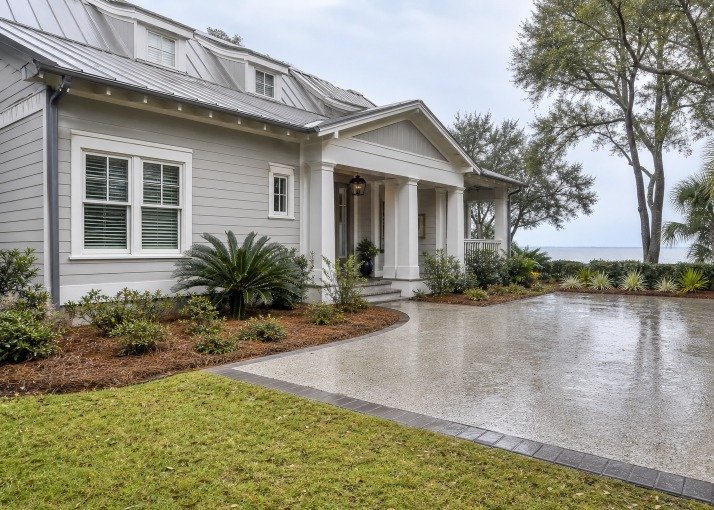
How Coastal Conditions Shape Homeownership on Hilton Head Island in 2026
Key Takeaways
-
Coastal risk is not limited to oceanfront homes. Rainfall, tides, drainage, and storm surge can affect many parts of the island.
-
Flood maps are useful, but they do not provide the complete picture for an individual property.
-
Insurance estimates should be part of the buying budget before major contingencies are removed.
-
Elevation, roof condition, drainage, windows, HVAC equipment, and crawl spaces affect long-term ownership costs.
-
Association rules and community fees may affect resilience improvements and shared maintenance obligations.
Coastal living on Hilton Head Island offers beaches, golf, boating, wildlife, and an outdoor-centered lifestyle, but buyers should look beyond a sunny-day showing. When comparing Hilton Head Island Homes for Sale, Karen Ryan’s local property-search resource is a practical place to compare houses, condos, waterfront residences, rentals, and luxury homes by location and property type. Karen Ryan focuses on Hilton Head Island real estate and also serves nearby Lowcountry markets, including Bluffton, Sun City/Okatie, Beaufort, and Savannah, giving buyers useful local context as they evaluate neighborhood access, coastal exposure, and ownership priorities.
A home may appear move-in ready while still carrying important considerations related to high tides, heavy rain, storm surge, salt air, drainage, or wind. These conditions can influence insurance, maintenance schedules, renovation choices, resale appeal, and the full monthly cost of owning a home.
Why Coastal Conditions Matter to Buyers
Coastal due diligence is not about avoiding island living. It is about matching a property to your budget, maintenance expectations, and risk tolerance. Two homes with similar prices can have very different ownership costs if one needs frequent exterior upkeep, has older mechanical equipment, or requires more specialized insurance. Buyers should also consider how they plan to use the home. A full-time resident may prioritize road access and backup power. At the same time, a second-home owner may focus on storm preparation, property management, and securing the residence when away.
Flood Maps Are a Starting Point, Not the Final Answer
Review the current flood-zone designation for every property under consideration, but do not treat a lower-risk designation as a promise that flooding cannot occur. Water can reach a property through localized drainage issues, unusually heavy rainfall, nearby tidal conditions, or storm events that affect roads and infrastructure.
Records Worth Reviewing
-
Current flood-zone information and available elevation certificates
-
Seller disclosures, prior flood claims, and storm-repair invoices
-
Drainage concerns, standing-water history, and lot grading
-
Permits for elevation work, drainage improvements, or flood protection
-
Nearby repetitive-loss areas or neighborhood-wide water concerns
Insurance Costs Belong in the Buying Budget
Mortgage principal and interest are only part of the cost of ownership. Buyers may need to account for homeowners’ insurance, flood insurance, wind coverage, deductibles, and possibly a condominium or association master policy. Lender requirements can vary by property and loan type, so early estimates matter. For example, a home with an attractive list price may become less affordable when separate flood coverage, a higher wind deductible, or rising maintenance needs are added to the monthly budget. Request quotes before removing major contingencies, particularly for waterfront, marshfront, or lower-lying properties.
Salt Air and Moisture Affect More Than Curb Appeal
Salt air and persistent humidity can accelerate wear on metal hardware, outdoor lighting, balcony fixtures, fasteners, HVAC components, and exterior finishes. Moisture can also contribute to wood decay, paint failure, mold, and crawl-space issues if ventilation, drainage, or maintenance has been neglected. During inspections, look closely at roof flashing, exterior doors and windows, decks and railings, HVAC units and ductwork, crawl spaces, foundation vents, plumbing connections, and water heaters. A coastal-experienced inspector can help identify whether a visible issue is cosmetic or an early sign of a broader maintenance concern.
Storm Readiness Starts With the Property Review
Storm preparation should be part of normal due diligence. Ask how the property performed during past storms and whether it has impact-rated windows, shutters, a reinforced garage door, a generator, protected outdoor equipment, and a practical place to store furniture or other loose items.
-
Ask the seller about prior storm damage and water intrusion.
-
Review repair records and insurance claims when available.
-
Confirm the roof’s age, condition, and remaining service life.
-
Inspect trees near the roof, driveway, and utility lines.
-
Observe how stormwater leaves the lot and the surrounding street.
-
Request estimates for recommended repairs or upgrades.
Elevation, Drainage, and Access
Elevation can reduce certain flood exposures, but it does not eliminate all concerns. A raised home may be better positioned for water around the structure. At the same time, its driveway, neighborhood roads, bridges, shared drainage systems, or access routes may still be affected after heavy rain or a major storm. Visit the property more than once when possible. A follow-up visit after rainfall can reveal pooling water, slow drainage, blocked inlets, difficult turns, or traffic conditions that are not apparent during a standard showing.
Neighborhood Rules Can Shape Resilience Improvements
Condominium associations, gated communities, and planned developments may regulate shutters, generators, fences, landscaping, exterior finishes, solar equipment, and post-storm repairs. Review association documents, architectural standards, reserve studies, special assessments, shared-building maintenance responsibilities, rental rules, and storm-preparation procedures before making an offer.
Waterfront, Marshfront, and Inland Properties
Waterfront homes may offer exceptional views and access, but buyers should carefully evaluate exposure, insurance, and exterior maintenance. Marshfront homes can provide privacy and wildlife views while requiring attention to drainage, erosion, and access. Golf communities and inland homes may have different trade-offs, but inland does not automatically mean risk-free. Every lot, street, drainage pattern, and building deserves individual review.
A Practical Due-Diligence Checklist
-
Review flood information and available elevation records.
-
Obtain homeowners, flood, and wind insurance estimates.
-
Ask about past claims, repairs, and storm damage.
-
Inspect the roof, crawl space, drainage, and HVAC system.
-
Check association rules, reserves, and shared obligations.
-
Estimate annual maintenance for coastal exposure.
-
Discuss resale considerations with qualified local professionals.
Final Perspective for 2026 Buyers
Coastal homeownership is not simply a choice between risk and reward. It is a decision about finding the right fit for your lifestyle and long-term goals. The ideal Hilton Head Island property should align with your budget, preferred location, maintenance capacity, recreational interests, and comfort with the unique responsibilities of coastal living. Buyers should also consider insurance costs, flood exposure, homeowners’ association requirements, and ongoing upkeep when comparing properties. Combining local market insight with thorough inspections, insurance guidance, flood information, permit reviews, and careful document evaluation can help reduce unexpected expenses and surprises after closing. A thoughtful, well-researched approach makes it easier to choose a home that remains enjoyable, practical, and financially sustainable for many years to come.