Understanding the H-1B1 Visa: A Comprehensive Guide for Professionals from Chile and Singapore
Table of Contents
-
Introduction
-
Eligibility Criteria
-
Application Process
-
Duration and Renewal
-
Employer Responsibilities
-
Dependents and Family Members
-
Recent Changes and Updates
-
Common Challenges and Solutions
-
Conclusion
The H-1B1 visa program serves as a specialized gateway for professionals from Chile and Singapore, offering a streamlined path to temporary employment in the United States. As a unique category within the broader U.S. work visa landscape, it provides key opportunities for qualified candidates, but achieving success demands detailed preparation and careful navigation of the requirements. For more in-depth strategies, legal considerations, and best practices, see https://www.lighthousehq.com/blog/h-1b1-visa for additional insights that expand on the information covered here. Awareness of the eligibility criteria, evolving documentation standards, and the latest procedural updates is crucial for applicants and employers alike. By mastering each step and understanding the visa’s features, professionals can maximize their odds of a positive outcome while avoiding common pitfalls that lead to delays or denials.
Eligibility Criteria
Only citizens of Chile or Singapore are eligible to apply for the H-1B1 visa. Unlike other categories linked to permanent status, applicants must demonstrate exclusive citizenship. A formal job offer from a U.S. employer for a position classified as a “specialty occupation” is required. The role must necessitate specialized knowledge and typically require at least a bachelor’s degree or the equivalent in a relevant field. The distinction is important: permanent residents of these nations do not qualify for the H-1B1 program. Only citizens can apply, and proof of citizenship is a fundamental component of the application process. Applicants also need to ensure that their educational credentials and work experience closely align with the demands of the specialty occupation to meet the standard eligibility criteria.
Application Process
The process to obtain an H-1B1 visa includes several structured steps:
-
Labor Condition Application (LCA): Employers must file the LCA with the U.S. Department of Labor. This ensures the offered wage and working conditions are on par with prevailing standards for that profession within the region.
-
Form DS-160: Applicants must complete this online non-immigrant visa application form, providing details about their background, qualifications, and the job offer in the United States.
-
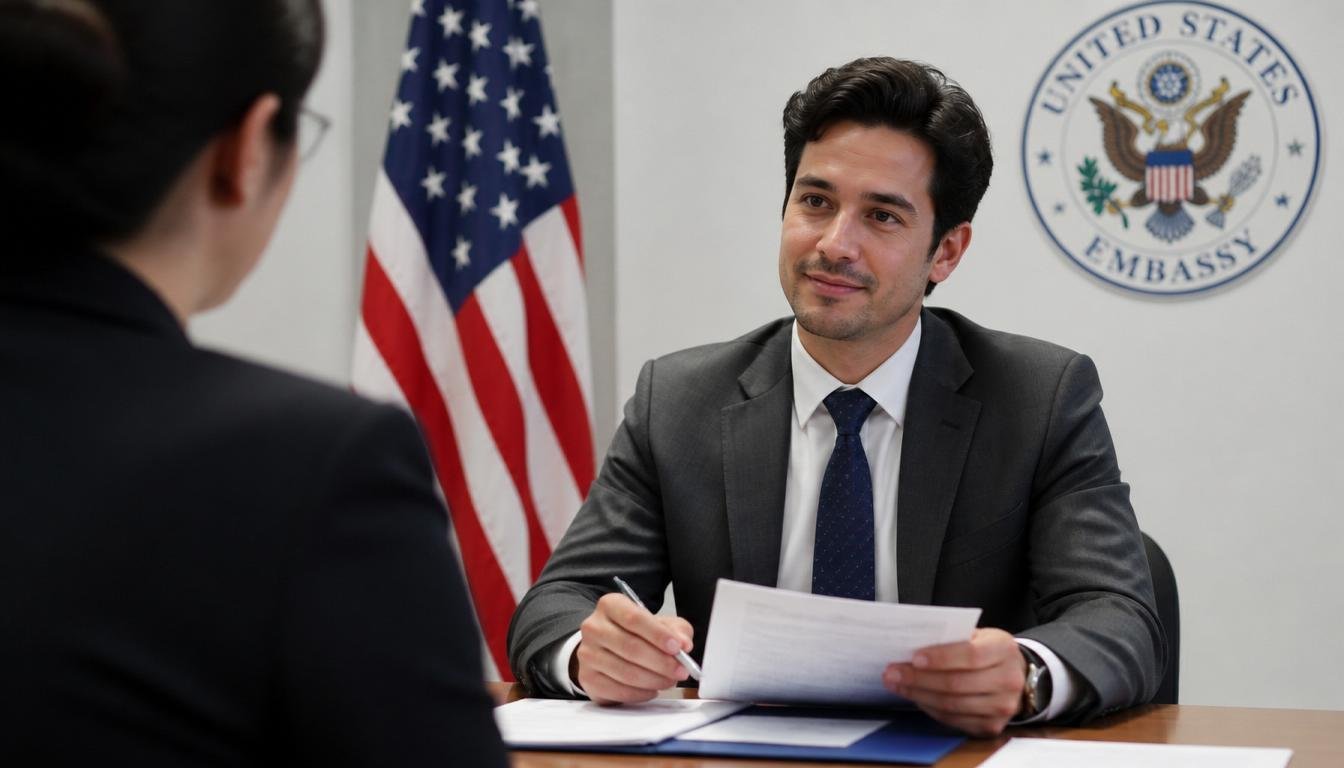
Visa Interview: A consular interview at a U.S. embassy or consulate is required, along with presenting key documentation such as the employment letter, LCA, and verified academic credentials. Consular officers assess whether all criteria and supporting evidence are in order before approving the visa.
Unlike the traditional H-1B visa, the H-1B1 route is more direct. Employers are not required to submit a petition to USCIS, resulting in a less burdensome, faster application process.
Duration and Renewal
The H-1B1 visa is initially granted for 1 year. Renewals are allowed, usually in additional one-year increments, provided the applicant continues to meet all program requirements. There is no absolute limit to the number of renewals. However, applicants must maintain non-immigrant intent, demonstrating to consular officers and immigration officials that they do not intend to settle in the U.S. permanently. This can often require proof of ongoing ties to one’s home country, such as property, employment, or close family relationships.
Employer Responsibilities
Employers play a pivotal role throughout the H-1B1 application lifecycle. Their primary obligations include:
-
Filing and obtaining a certified LCA involves making key attestations about wage parity and workplace conditions.
-
Confirming that the H-1B1 worker’s hiring will not displace eligible U.S. workers or otherwise negatively affect the labor market.
-
Providing proper notice of the LCA filing at the work site. This can involve either notifying a relevant employee bargaining representative or publicly posting notice in two conspicuous locations within the workplace.
Dependents and Family Members
The provisions for accompanying family members are clear: spouses and unmarried children under 21 are eligible for H-4 dependent status. While H-4 visa holders can live and study in the United States for the same period as the principal H-1B1 visa holder, they are not generally authorized to work under current rules. Families should plan accordingly, especially if spouses wish to pursue employment opportunities during their stay.
Recent Changes and Updates
Applicants must be aware of shifting regulatory requirements. As of April 1, 2026, a new version of Form I-129 is mandatory for the H-1B1 process. The revised form demands enhanced disclosures and greater attention to compliance. Failing to submit the updated documentation can result in significant delays or an outright denial of the application. These efforts reflect a broader expectation of transparency and policy enforcement within U.S. work visa programs.
Common Challenges and Solutions
Several common hurdles can disrupt the H-1B1 process, but foresight and thoroughness reduce rejection risk:
-
Proving Non-Immigrant Intent: Many denials stem from insufficient evidence of plans to return to the home country. Compile thorough documentation showing continued family, financial, or professional ties abroad.
-
Specialty Occupation Requirements: U.S. consulates and embassies carefully review employment terms. Advocate for a job description that clearly demonstrates the need for specific specialized skills, and provide supporting evidence such as professional certifications, degree transcripts, and detailed employer statements.
Conclusion
The H-1B1 visa enables talented professionals from Chile and Singapore to gain valuable work experience in the United States. Individuals and employers who thoroughly understand and carefully follow H-1B1 guidelines, up-to-date requirements, and best practices are well-positioned for successful outcomes. By remaining vigilant, staying informed about ongoing changes, and leveraging all available resources, applicants can make the most of this important opportunity.