Why the Pressure to Stay Relevant Online Can Increase Anxiety for Content Creators
Being a content creator can look exciting from the outside. People see the finished post, the sharp video edit, the brand package on the table, the nice photo, or the funny caption that gets shared around. It can seem like a flexible, creative life where someone gets paid to talk, film, write, or show up as themselves.
But the inside of creator life often feels very different.
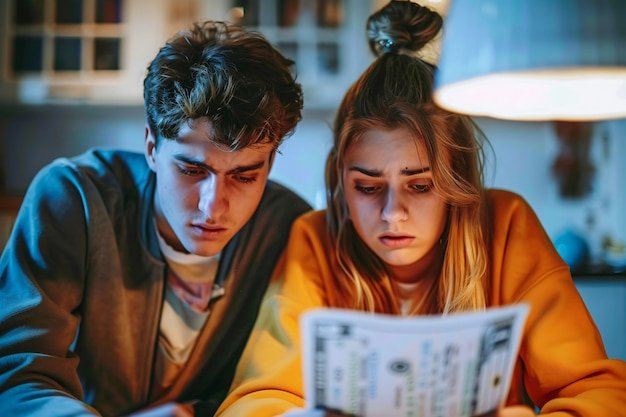
There is pressure to stay visible. Pressure to post before a trend dies. Pressure to reply fast, look natural, sound interesting, and keep an audience from scrolling away. A creator can spend hours planning one post, only to watch it perform poorly for reasons that are not clear. Then the overthinking begins. Was the hook weak? Was the video too long? Did the caption miss? Did followers get bored?
That kind of pressure can build anxiety slowly. It does not always show up as panic. Sometimes it shows up as checking analytics too often. Sometimes it feels like guilt when resting. Sometimes it sounds like a quiet thought in the back of the mind saying, “You are falling behind.”
For many creators, the internet is not just a place to share ideas anymore. It is a workplace, a stage, a marketplace, and a mirror all at once. That can make staying relevant feel less like a goal and more like a daily test.
The Algorithm Never Sleeps, But People Need To
Algorithms reward activity. They like fresh posts, quick reactions, strong watch time, steady engagement, and content that keeps people on the platform. That sounds simple on paper. In real life, it creates a pace that many creators struggle to keep up with.
A creator may wake up and check what is trending before even making coffee. They might notice a sound taking off on TikTok, a new Instagram format gaining reach, or a YouTube topic suddenly pulling views. Then comes the rush to make something before the moment passes. It can feel like trying to catch a bus that keeps moving every time you get close.
The hard part is that platforms change often. One month, polished videos perform well. The next month, raw and casual clips get more attention. A creator who spent years building one style may suddenly feel pushed to change everything. That constant guessing can drain the mind.
Why “just post more” is not real advice
People often tell creators to “just be consistent,” as if consistency is simple. But consistency means something different when content is tied to income, identity, and public response.
Posting more is not just pressing upload. A creator has to think of ideas, film, edit, write captions, choose keywords, respond to comments, review numbers, pitch brands, and keep the content aligned with their niche. Even a short video can take a full afternoon when the creator cares about quality.
And after one post goes live, the work does not end. The creator watches how it performs. They wonder if the first few minutes matter. They refresh the page. They compare it with the last post. Then they start thinking about the next one.
This routine trains the brain to stay switched on. Even during meals or quiet moments, the creator may feel pulled back to the phone. Rest starts to feel risky because the platform is always moving.
People need sleep, silence, and ordinary, boring time. Algorithms do not. That gap is where a lot of creator anxiety begins.
Comparison Turns Creativity Into a Scoreboard
Creativity works best when there is room to experiment. But online, every experiment gets measured in public. Views, likes, saves, comments, shares, clicks, and follower growth can turn creative work into a scoreboard.
Numbers can help creators learn what their audience enjoys. That part is useful. The problem starts when numbers begin to feel like proof of personal worth. A strong post can make a creator feel talented and loved. A weak post can make the same person feel invisible.
That emotional swing is exhausting.
A creator may see someone in the same niche grow fast and begin questioning everything. Maybe their lighting is better. Maybe their face is more camera-friendly. Maybe their voice sounds more confident. Maybe their life looks more interesting. The comparison rarely stays focused on content. It spreads into appearance, lifestyle, money, personality, and confidence.
The silent math creators do in their heads
Creators often do a kind of silent math that no one sees. They compare one post to another. They compare their growth to a friend’s growth. They compare their real life to someone else’s edited life.
A food creator may wonder why another recipe video got more saves. A fitness creator may feel pressure to look lean all year. A lifestyle creator may feel bad because their apartment does not look as clean or bright as someone else’s. Even creators who seem confident can fall into this loop.
The strange thing is that social media hides the messy parts. People see the final take, not the dozens of failed clips. They see the viral post, not the creator sitting at midnight with a tired face and a laptop that keeps freezing. They see the result, not the stress behind it.
When comparison becomes constant, creativity starts to feel less playful. It becomes careful, tense, and self-conscious. The creator stops asking, “What do I want to make?” and starts asking, “What will keep people from leaving?”
That shift matters.
Fear of Losing Followers Can Make Creators Overthink Everything
Followers are not just numbers for many creators. Followers can mean brand deals, income, credibility, and future opportunities. So when the numbers slow down or drop, it can feel personal.
A normal dip in engagement can quickly turn into fear. The creator may wonder if the audience is tired of them. They may start changing their style too fast, chasing trends that do not fit, or posting more than they can handle. They may avoid honest topics because they worry people will unfollow.
This is where anxiety becomes sneaky. It turns normal platform changes into emotional alarms.
When your audience starts feeling like a boss
A healthy audience feels like a community. It gives feedback, support, and connection. But when pressure gets too high, that same audience can start to feel like a boss watching every move.
Creators may begin editing themselves before they speak. They soften opinions. They avoid posting on hard days. They force a cheerful tone because that is what people expect. Slowly, they can feel trapped inside the version of themselves that performs best.
That does not mean strategy is bad. Strategy is part of the job. A creator should understand their audience, track what works, and plan content with care. But strategy becomes unhealthy when fear runs the whole show.
There is also a deeper emotional layer. Some creators begin using online attention as proof that they still matter. When the numbers are high, they feel steady. When the numbers fall, their mood falls too. That is a rough way to live, especially for people already dealing with stress, isolation, burnout, or past emotional struggles.
For people facing deeper patterns linked to substance use, stress, or emotional overwhelm, real support away from the feed can help. A structured setting, such as Fresno inpatient rehab, gives people space to step back from harmful routines and focus on stability, care, and recovery.
The Content Machine Can Blur Work, Rest, and Identity
Most jobs have some kind of stopping point. You close the laptop. You leave the office. You finish the shift. Creator work is different because the job often follows the person everywhere.
A quiet breakfast can become content. A walk can become a reel. A personal struggle can become a caption. A vacation can become a campaign. Even rest can turn into something that needs to be filmed, edited, and posted.
At first, this can feel creative. Over time, it can feel strange. If every part of life becomes material, the creator may start wondering what is still private.
That blurred line can increase anxiety because the brain never gets a clear signal that work is over. The creator is always half-living and half-documenting. Even when they are not posting, they may be thinking about how something could become content later.
Personal branding can feel like wearing a costume
The phrase “personal brand” sounds clean and professional. It makes sense in marketing meetings. But for creators, it can feel like wearing a costume that slowly gets too tight.
Maybe a creator became known for being funny, so now they feel pressure to joke even when they are tired. Maybe they built an audience around productivity, but now they are burned out. Maybe they became popular for fitness content, but their body or goals changed. Maybe they started with beauty content and now want to talk about mental health, money, or family life.
People change. That is normal. But online audiences often expect creators to stay familiar.
That tension can create anxiety. The creator wants to grow, but the algorithm rewards what already worked. The person wants room to breathe, but the brand asks for a repeat performance.
Relevance should not require someone to erase who they are becoming. A creator can change their topics, schedule, voice, or style. They can move more slowly. They can become more private. They can admit that the old version of their content no longer fits. That process takes courage because it may affect numbers at first, but it also protects the person behind the account.
Anxiety Gets Worse When Rest Feels Risky
Rest should feel normal. It should feel human. But for many creators, rest feels like a threat.
If they stop posting, they worry the algorithm will stop showing their content. If they take a break, they fear people will forget them. If they miss a trend, they worry another creator will take the attention. If they spend a weekend offline, they may feel guilty instead of refreshed.
This is one of the hardest parts of creator anxiety. The person knows they need rest, but the platform makes rest feel like a bad career move.
Burnout does not always look dramatic
Burnout is not always a full breakdown. Sometimes it looks like staring at a blank screen and feeling nothing. Sometimes it looks like filming the same clip ten times because the energy feels fake. Sometimes it looks like checking comments with a tight chest. Sometimes it looks like posting every day while secretly wanting to disappear for a week.
From the outside, the creator may still look successful. They are still posting. Still smiling. Still getting views. Still answering messages. But inside, the joy may be thinning out.
Anxiety grows in that gap between what people see and what the creator feels. The creator becomes tired of performing but scared to stop.
This is why support matters. When stress begins to affect sleep, appetite, relationships, substance use, or daily choices, it is no longer just “part of the job.” It needs care. Services like Addiction treatment in New Jersey can help people address addiction, emotional strain, and unhealthy coping patterns in a more grounded way.
Healthier Posting Habits Start With Smaller Promises
Creators do not need to quit the internet to feel better. For many, content is their work, their business, or their main creative outlet. The better goal is to build a posting rhythm that does not punish the mind.
That starts with smaller promises.
Instead of posting every day with no break, a creator can choose a schedule that fits real life. Instead of chasing every trend, they can choose the ones that match their voice. Instead of checking analytics all day, they can review numbers at set times. These changes sound simple, but they can make the work feel less frantic.
A creator also needs private space. Not every meal needs to be shared. Not every thought needs to become a caption. Not every sad moment needs to become a lesson for strangers. Some parts of life should stay off-camera because privacy helps people feel whole.
A creator needs a system, not just willpower
Willpower is not enough when someone is tired. A system works better because it lowers the number of choices a creator has to make each day.
A healthier system can include filming content in batches, planning topics ahead of time, setting phone-free hours, and keeping one day each week free from posting. It can also include checking analytics only once or twice a day, not every time the phone lights up.
Creators can also build content pillars so they are not starting from zero every morning. For example, a wellness creator might rotate between personal stories, quick tips, product reviews, and longer educational posts. A fashion creator might rotate between outfits, shopping advice, behind-the-scenes content, and style mistakes. This structure gives creativity a container.
And honestly, creators need friends who understand the pressure. Talking to another creator can help because they know how strange it feels when a post flops and ruins your mood. They know how easy it is to pretend everything is fine online.
Healthy posting is not about being lazy. It is about staying well enough to keep creating without losing yourself.
Young Creators Feel This Pressure Even More
Teen and young adult creators face a special kind of pressure because they are still figuring out who they are. They are learning their voice, their values, their confidence, and their limits while strangers react in real time.
That is a lot.
A young creator can go from feeling unseen to getting thousands of views overnight. That attention can feel exciting, but it can also feel confusing. Praise, criticism, gossip, comparison, and pressure can all arrive at once. A teen may not yet have the tools to sort through all of that without taking it personally.
They are not just managing content. They are also dealing with school, friendships, body image, family expectations, dating, and the normal stress of growing up. Add online performance to that mix, and anxiety can rise quickly.
Online pressure can shape self-worth early
When young creators learn to measure themselves through likes and views, they can begin to connect attention with value. A good post feels like acceptance. A bad post feels like rejection. That is a painful lesson to learn early.
Some teens may post more personal content than they really want to share. Some may stay online late because they fear missing a trend. Others may copy styles, jokes, or opinions that do not feel true to them because those things get attention.
Parents and mentors should not treat this pressure as silly. They should ask calm questions. What part of posting feels fun? What part feels stressful? Do comments change your mood? Do you feel like you can take a break?
These questions matter because they help young creators feel like people, not just accounts.
When anxiety, depression, or emotional stress becomes too heavy, young people need support that fits their age and situation. Programs such as can help teens build coping skills, talk through pressure, and develop healthier ways to handle online stress.
Relevance Should Not Cost Your Peace
Staying relevant online matters. For creators, it can affect income, career growth, partnerships, and community. It is not shallow to care about reach. It is not wrong to want growth.
But relevance should not cost someone their peace.
A creator can care about performance without letting numbers control their whole mood. They can study analytics without treating them like a personal judgment. They can follow trends without copying every move. They can take breaks without disappearing from their own life.
The internet will always ask for more. More posts. More speed. More reaction. More access. More personality. More everything.
That is why creators need to decide what enough looks like before the platform decides for them. Maybe enough is three posts a week. Maybe it is one strong video instead of five rushed ones. Maybe it is keeping weekends private. Maybe it is ignoring one trend because it does not fit. Maybe it is choosing sleep over one more late-night edit.
Content creation should not turn people into machines. The best creators are not only active. They are present. They pay attention to life outside the screen. They grow, pause, shift, and come back with something real to say.
And that is what people connect with most.
Not endless posting. Not perfect relevance. Real presence.