Why Hybrid Fitness Training Is Becoming a Powerful Health Trend for Strength, Stamina, Weight Control, and Everyday Energy
Fitness trends are everywhere now. One week, everyone talks about running clubs. The next week, it is Pilates, lifting, step goals, wearable trackers, or cold plunges. Some trends fade fast because they feel too strict, too expensive, or too hard to keep up with. Hybrid fitness training is different because it fits real life.
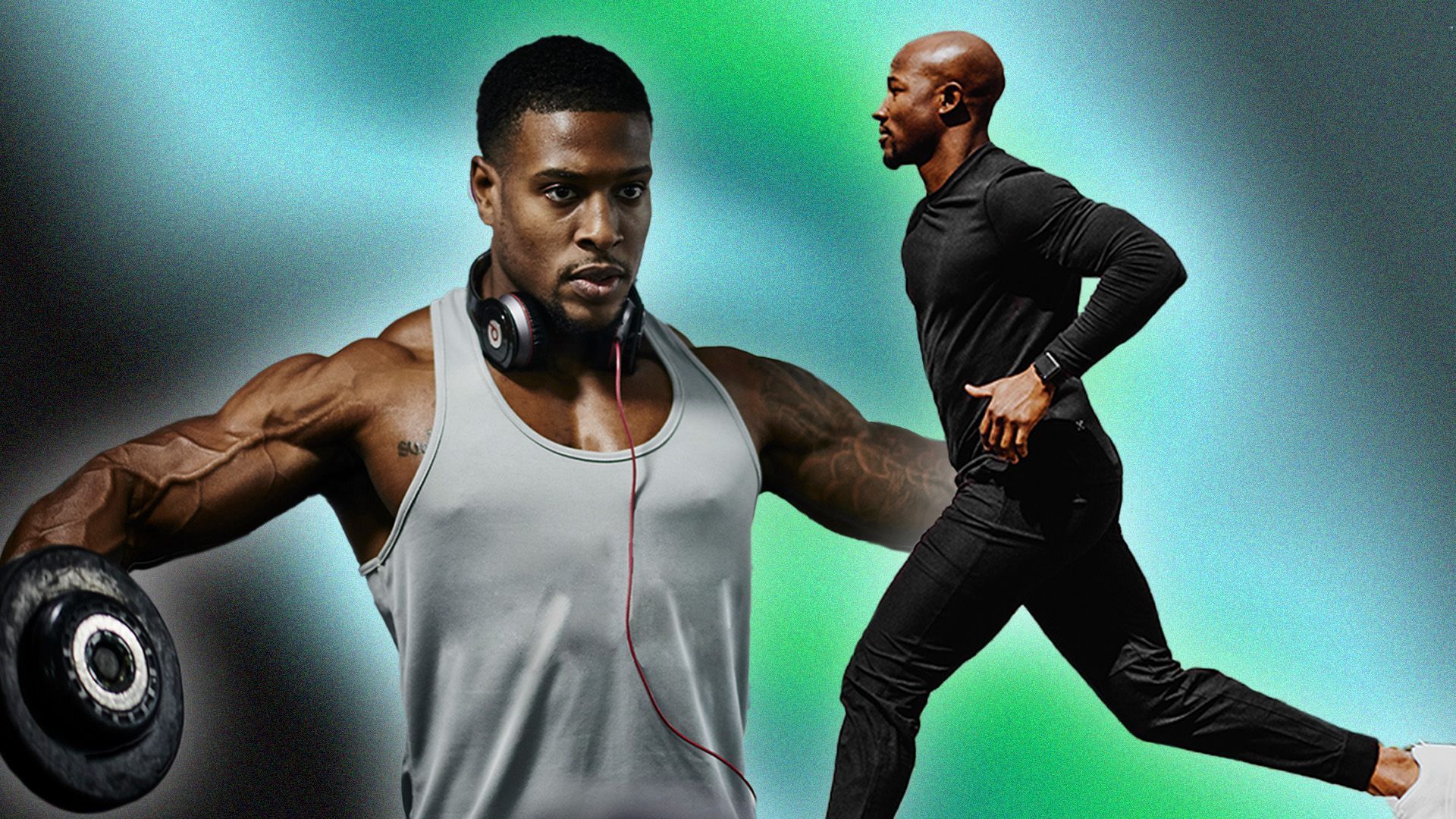
Hybrid fitness combines cardio and strength training in one routine. It does not force you to choose between building muscle and improving stamina. It gives your body both. You train to lift, push, pull, walk, run, breathe better, and move with more control.
That is why more people are paying attention.
Most people do not want to train like a professional athlete. They want to feel better when they wake up. They want to manage weight without feeling trapped by a harsh routine. They want stronger legs, better posture, a healthier heart, and enough energy to get through work, errands, family life, and everything in between.
Honestly, that sounds simple. But it is exactly what many workout plans miss.
Why People Are Moving Away From One-Style Workouts
For a long time, fitness culture separated people into groups. Some people lifted weights and avoided cardio because they feared losing muscle. Others ran, cycled, or joined cardio classes but skipped strength work because they thought lifting was only for bodybuilders.
Both sides had a point, but both missed something.
Strength training builds muscle, supports joints, improves balance, and helps the body handle daily physical stress. Cardio trains the heart and lungs, improves endurance, and helps you move longer without getting tired too quickly. When you only do one style, you get benefits, but you also leave gaps.
Hybrid fitness fills those gaps.
It gives you a more complete kind of health. You are not only training to look fit. You are training to function well. You are training for stairs, long walks, heavy bags, weekend activities, busy workdays, and those random moments when life asks your body to do more than sit at a desk.
The “Real Life Fitness” Factor
Here’s the thing. Real life does not move in one clean pattern.
You bend to pick something up. You carry groceries. You rush across a parking lot. You climb stairs. You help move furniture. You chase a child, a dog, or sometimes just your own schedule. Your body needs strength, stamina, balance, and coordination.
Hybrid fitness matches that reality. It trains your muscles to produce force and trains your heart to keep up. It also teaches your body to recover between efforts, which matters more than people think.
A strong body that gets tired after two minutes is limited. A body with great stamina but weak joints is also limited. Hybrid training brings those pieces together.
That is the appeal. It feels less like a gym trend and more like a practical health plan.
How Hybrid Training Builds Strength Without Ignoring the Heart
Strength is still a major part of hybrid fitness. A good routine often includes squats, rows, presses, lunges, hip hinges, carries, and core work. These movements help your body build muscle and move with better control.
But hybrid training does not stop with strength.
It adds cardio with purpose. That can mean walking, jogging, cycling, rowing, swimming, stair climbing, or interval work. You are not doing cardio as punishment for eating. You are doing it because your heart matters. Your lungs matter. Your stamina matters.
This shift changes the whole tone of fitness.
Instead of chasing exhaustion, you build capacity. You teach your body to do more without feeling drained all the time. You become stronger, but you also become harder to tire out.
Some people use a gym with barbells, treadmills, bikes, and rowing machines. Others train at home with dumbbells, resistance bands, a mat, and a pair of walking shoes. Apps and wearables like Garmin, Apple Fitness, Nike Training Club, Strava, and Peloton also make hybrid training easier to track.
But the tools are not the point. The routine is the point.
What a Simple Hybrid Week Looks Like
A simple hybrid week does not need to feel extreme. You can train strength on a few days and include cardio on separate days or after shorter lifting sessions. Some people do full-body strength twice a week and walk on most days. Others lift three times a week and add cycling or jogging twice a week.
The best plan is the one you can repeat.
A strong routine should leave you challenged, not crushed. You should feel like your body worked, but you should not feel wrecked for days. That balance matters because consistency builds results. One brutal week does less for your health than months of steady training.
This is where hybrid fitness works well for beginners and busy adults. It gives you structure, but it also gives you room to adjust.
Weight Control Becomes More Practical With Hybrid Fitness
Many people start exercising because they want better weight control. That is normal. Weight affects energy, confidence, mobility, and health. But weight control gets frustrating when people only focus on burning calories.
Hybrid fitness gives the body a better foundation.
Strength training helps build and preserve muscle. Muscle supports metabolism and gives the body a firmer shape. Cardio helps burn energy and improves heart health. Together, they create a more balanced plan than doing only long cardio sessions or only lifting weights.
Still, exercise is only one part of the picture.
Food, sleep, stress, hormones, work schedules, and mental health all affect weight. If you sleep poorly, feel stressed all day, and eat rushed meals, your workout plan has to fight a harder battle. That is why hybrid fitness works best when it becomes part of a wider health routine.
For some people, movement also becomes part of rebuilding life after substance use. A regular workout schedule can support structure, confidence, and emotional steadiness. But fitness should not replace professional care when deeper help is needed. People who are facing addiction deserve trained support, such as a Drug and alcohol rehab in New Jersey that can guide recovery with safety and structure.
That point matters. A workout can help you feel strong, but some health challenges need more than willpower and a gym plan.
Everyday Energy Is the Benefit People Notice First
People often expect the first result of fitness to show up on the scale. Sometimes it does. But many people notice something else first.
Energy.
You wake up and feel a little less heavy. You walk faster without thinking about it. You climb stairs with less effort. You stop feeling wiped out after simple tasks. Your body starts to feel more awake.
Hybrid training improves everyday energy because it trains several systems at once. Strength work helps your muscles do more with less strain. Cardio helps your heart and lungs deliver oxygen better. Mobility and recovery help your body feel less stiff.
Think about it like maintaining a house. Strength is the frame. Cardio is the wiring and airflow. Recovery is the repair work. If one part gets ignored, the whole place starts to feel off.
Hybrid fitness helps the whole system work better.
The Mental Side Matters Too
Fitness also affects the mind. A workout gives your day structure. It can reduce tension, improve sleep, and help you feel more in control. Even a walk can clear the fog after a long day.
But exercise is not a cure for everything.
If stress, anxiety, depression, or trauma are affecting daily life, movement can support healing, but it should not carry the full weight. Some people need therapy, medical care, or a structured support plan. An Outpatient mental health program in NJ can help people work through emotional struggles while still managing school, work, and family responsibilities.
That balance is healthy. You can value fitness and still be honest about mental health. You can train hard and still need support. There is no shame in that.
Hybrid Fitness Fits Busy Lives Better Than Extreme Programs
One reason hybrid fitness keeps growing is that it fits into busy lives. It does not demand one perfect routine. It gives people options.
If you have a full hour, you can lift and finish with light cardio. If you only have 25 minutes, you can do a short strength session and walk later. If your body feels tired, you can skip hard intervals and choose an easier bike ride. If you are traveling, you can use bodyweight exercises and a walk outside.
This flexibility helps people stay consistent.
Extreme plans often fail because life gets in the way. Work runs late. Kids need attention. Sleep gets messy. Motivation drops. Hybrid training bends with your schedule instead of breaking the moment things get busy.
It also works for different ages and fitness levels. Young adults use it to build strength and athletic endurance. Parents use it to keep energy up. Older adults use lower-impact versions to protect mobility and independence. Teens can benefit too when training is safe, supervised, and focused on health instead of pressure.
That last part matters. Teenagers already deal with school stress, social media comparison, body image pressure, and sports expectations. Fitness should help them feel capable, not judged. When emotional struggles become part of the picture, families can consider support like to help young people build better coping skills.
A healthy body matters. A steady mind matters too.
How to Start Hybrid Training Without Burning Out
The biggest mistake people make is starting too hard. They go from no routine to six workouts a week. Then soreness hits. Sleep gets worse. Motivation disappears. Soon, the plan feels like punishment.
Start smaller.
Begin with two strength sessions each week and add cardio on two other days. Keep the workouts simple. Focus on learning good form. Walk often. Build slowly. Your body needs time to adapt.
A beginner strength session can include lower-body work, pushing movements, pulling movements, core training, and light conditioning. A cardio day can be brisk walking, cycling, swimming, rowing, or jogging at a pace you can handle.
Not every workout needs to feel dramatic. You do not need to crawl out of the gym to prove you worked hard. In fact, that mindset often causes burnout.
Recovery is part of training. Sleep supports muscle repair. Food fuels progress. Rest days protect your joints and nervous system. Stretching or light mobility can help you move better, especially if you sit for long hours.
Track Progress Without Getting Obsessed
Tracking can help, but it should not take over your life. You can track the weight you lift, how long you walk, how your breathing feels, how well you sleep, and how your energy changes during the week.
Progress is not only about appearance.
Maybe the scale moves slowly, but your stamina improves. Maybe your waist changes, but your bigger win is that your back hurts less. Maybe you do not notice dramatic changes in the mirror, but your mood feels steadier, and your workdays feel easier.
That counts.
Hybrid fitness gives you more ways to see success. It reminds you that health is not one number. It is strength, stamina, sleep, confidence, focus, and the ability to live your life with more ease.
Why This Trend Has Staying Power
Hybrid fitness is becoming popular because it makes sense. It gives people a balanced way to train without forcing them into one fitness identity. You do not have to be only a runner, only a lifter, or only a class person. You can train for the life you actually live.
That is why this trend has staying power.
It supports strength, stamina, weight control, heart health, mobility, and everyday energy. It works for people with busy schedules. It adapts to different fitness levels. It also connects physical health with mental well-being, which is something more people now understand.
The goal is not perfection. The goal is a body that helps you move through life with less strain and more confidence.
You train so that daily life feels easier. You train so your energy lasts longer. You train so your body feels useful, strong, and steady.
That is the real reason hybrid fitness is growing. It is not just about looking fit. It is about living better after the workout ends.