Ensuring Grid Stability: The Critical Role of NERC Compliance for Energy Facilities
Key Takeaways
- Grid stability is essential to preventing cascading outages and protecting critical infrastructure.
- Compliance with standards set by the North American Electric Reliability Corporation (NERC) supports bulk power system reliability and security.
- Key compliance areas include system operations, protection controls, emergency preparedness, personnel training, and cybersecurity (CIP).
- Ongoing documentation, monitoring, and audits are necessary to maintain compliance readiness.
- Non-compliance can lead to financial penalties, reputational risk, and operational disruption.
- Renewable energy integration increases the importance of maintaining strong reliability and cybersecurity standards.
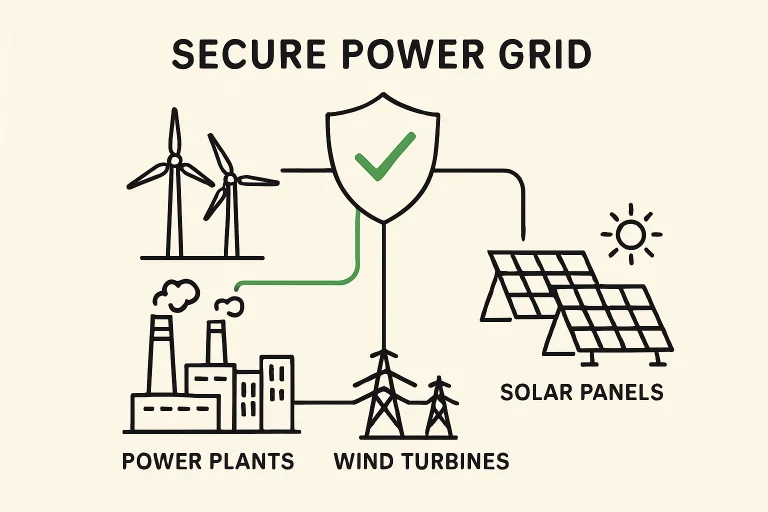
A stable power grid is essential to modern infrastructure, supporting everything from healthcare systems to communication networks and industrial operations. Because energy facilities operate within a deeply interconnected bulk power system, even localized disturbances can escalate into broader reliability challenges. Grid stability depends on maintaining consistent frequency and voltage control, and on coordinated response strategies that prevent cascading outages. In this environment, regulatory standards serve as an important safeguard, helping ensure that generation and transmission entities operate in ways that reinforce system resilience and minimize operational disruptions.
Within this broader reliability framework, compliance with standards established by the North American Electric Reliability Corporation (NERC) contributes to strengthening grid performance and risk mitigation efforts. Many energy facilities also collaborate with experienced providers such as Radian Generation to support structured compliance management and ongoing system evaluations. By aligning operational practices with established reliability expectations, facilities help sustain dependable energy delivery while reinforcing the overall stability of the power system.
Understanding NERC Compliance
At its core, NERC compliance means aligning with standards devised to ensure the security and dependability of the bulk power system. These requirements span a wide range of activities, from risk assessment and outage planning to personnel training and equipment maintenance. Utilities, grid operators, and generators must continually evaluate and validate that they are meeting each requirement, providing concrete evidence upon request.
The Imperative of Compliance
The bulk power system forms the backbone of critical infrastructure. Even minor faults can trigger widespread outages, leading to social and economic disruptions. NERC standards set out minimum operational baselines, particularly for reliability, emergency management, and cyber defense, ensuring all participants are prepared to manage stress events or coordinate emergency responses. In a highly interconnected and digitized era, this common regulatory framework provides vital assurance that vulnerabilities are mitigated and essential services remain available.
Key Areas of NERC Compliance
NERC standards encompass several operational domains, each underpinned by detailed protocols and evidence requirements. Fundamental areas include:
- System Operations:Real-time system monitoring, forecasting, and dispatch protocols.
- Protection and Control:Ensuring reliable function of relays, circuit breakers, and protective devices.
- Emergency Preparedness:Documented plans for blackstart recovery, event response, and communication systems.
- Personnel Training:Rigorous and regular training for operators and maintenance staff.
- Critical Infrastructure Protection (CIP):Cybersecurity controls, facility access management, and incident response programs.
Each domain requires not only policy alignment but also clear evidence that processes are enacted as described. This includes system logs, operator checklists, incident reports, and audit trails. Regular internal audits help facilities remain prepared for NERC or Regional Entity inspections, minimizing compliance risk and bolstering resilience.
Challenges in Achieving Compliance
Achieving ongoing NERC compliance can be resource-intensive. Energy facility data often resides in diverse platforms: supervisory control and data acquisition (SCADA) systems, historian databases, security event logs, and physical field reports. Bringing this complex information together to paint a coherent picture for regulators can strain operations, especially as standards evolve to cover emerging threats, such as advanced persistent cyber threats or increased renewable integration. Many organizations invest in dedicated compliance software and third-party consulting to streamline the reporting process and maintain an up-to-date compliance posture.
Consequences of Non-Compliance
Non-compliance can carry significant repercussions. Fines for serious infractions routinely reach into the millions, and repeated lapses can invite elevated regulatory scrutiny or reputational harm. In a sector defined by trust and reliability, even a single high-profile compliance failure can shake customer and investor confidence. By making NERC compliance a continuous organizational priority, facilities not only avoid penalties but also align operations with best practices that safeguard the grid and the community.
Integrating Renewable Energy and Compliance
The integration of renewable energy resources marks a transformative moment in power generation. More than 500 GW of new solar PV projects and 360 GW of wind additions are anticipated in the coming years. Inverter-based resources (IBRs) bring distinct operational characteristics that can challenge existing controls and standards. Maintaining grid stability with high penetrations of renewables requires enhanced coordination, advanced forecasting, and new cybersecurity postures. NERC compliance is pivotal in this transition, mandating that renewable projects adhere to transmission reliability, communication protocols, and advanced protective relaying. This helps ensure a reliable and sustainable energy future, where public confidence and grid resilience remain intact.
Conclusion
In an ever-evolving energy landscape, NERC compliance remains a cornerstone for operational security, technical excellence, and public trust. For energy facilities, comprehensive commitment to these standards is not only about avoiding penalties but also about building a reliable, secure foundation for America’s future power grid.