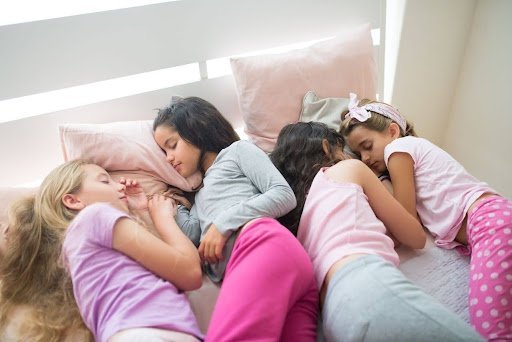
How Comfortable Sleepovers Can Help Kids Feel More Independent
For many kids, a sleepover is a major childhood milestone. It’s a chance to stay up a little later, play games with friends, and enjoy the excitement of spending the night in a new place. But beneath all the fun and pizza-fueled laughter, sleepovers offer something even more valuable: an opportunity for children to build independence.
Spending a night away from home can help kids learn how to navigate unfamiliar situations, make decisions on their own, and gain confidence in their abilities. While every child develops at their own pace, comfortable and positive sleepover experiences can serve as important stepping stones toward greater self-reliance.
Why Comfort Matters During a Child’s First Sleepover
Even the most excited child may feel a few butterflies before their first sleepover. After all, they’re leaving behind familiar surroundings, routines, and family members for the night. That’s why creating a comfortable environment is so important.
Simple touches can make a big difference in helping children feel at ease, including cozy blankets, familiar bedtime routines, and inviting sleepover beds. When kids are comfortable physically, they’re often more relaxed emotionally as well. Instead of focusing on nervous feelings or homesickness, they can concentrate on enjoying time with friends and participating in activities.
A welcoming sleep space also helps children get a better night’s rest. This can contribute to a more positive overall experience and make them more likely to feel confident about future sleepovers.
Sleepovers Give Kids a Safe Taste of Independence
One of the biggest benefits of sleepovers is that they allow children to experience independence in a supportive environment. Unlike longer trips away from home, sleepovers provide a low-pressure opportunity for kids to practice handling situations on their own.
Throughout the evening, children make small decisions that help build confidence. They may choose activities, manage parts of their bedtime routine, or solve minor problems without immediately turning to a parent for help. These experiences teach valuable life skills while still providing the security of trusted adults nearby.
Over time, each successful sleepover can reinforce a child’s belief in their ability to handle new situations. That growing sense of confidence often carries over into other areas of life, from school activities to future overnight adventures.
Building Social Skills Outside the Classroom
Sleepovers are also a fun way for kids to practice social skills in a more relaxed setting. Unlike school, where schedules and rules guide much of the day, sleepovers give children more freedom to interact, cooperate, and solve minor social hiccups as they arise.
They may need to agree on which game to play, take turns choosing a movie, share snacks, or make space for everyone’s bedtime routines. These moments may seem small, but they help kids learn to communicate, compromise, and respect others’ needs.
Sleepovers can also strengthen friendships. Spending extra time together allows kids to bond over inside jokes, silly stories, and shared experiences. When children feel connected to their peers, they often become more confident in social situations, which can support their growing independence.
Learning To Adapt to New Environments
Even a cozy sleepover comes with a few differences from home. Maybe the bedtime routine is a little different. Maybe breakfast is served at a different time. Maybe the house has unfamiliar sounds at night. These small changes can help kids learn flexibility.
Adapting to a new environment teaches children that they can handle situations that are not exactly like what they are used to. That realization can be powerful, helping them understand that unfamiliar doesn’t have to mean scary.
This kind of practice can prepare kids for bigger experiences later, such as school trips, summer camps, team travel, or visits with relatives. Each positive overnight stay gives them another reason to believe, “I can do this.”
The Link Between Good Sleep and Positive Experiences
A successful sleepover is not just about fun activities. Rest matters, too. When kids are comfortable enough to sleep well, they are more likely to wake up feeling happy, calm, and proud of themselves.
On the other hand, a restless night can make a child feel cranky, homesick, or hesitant to try again. That is why parents and hosts can help by creating a sleep-friendly setup. Soft bedding, a nightlight, a quiet wind-down activity, and a familiar item from home can all help children relax.
Small Adventures Can Make a Difference
Sleepovers may look like simple childhood fun, but they can play a meaningful role in helping kids become more independent. By spending a night away from home, children get to practice decision-making, social skills, flexibility, and self-confidence in a supportive setting.
When comfort is part of the experience, kids are more likely to feel secure enough to enjoy the adventure. And with each successful sleepover, they take one small but important step toward believing in themselves.